
ARTAS® iXi · Robotic Hair Restoration · Bay Ridge, Brooklyn
The surgery is one day. The next twelve months are the part nobody books a flight for.
We harvest with the ARTAS® iXi robotic system — advanced AI equipment most clinics in this country do not have, directed here by a board-certified dermatologist. Transplanted hair rests three to four months before it starts growing, and fuller growth generally shows around nine to twelve months. You should be able to sit in front of your doctor at any point in that year.
Or call (347) 497-4984- ARTAS® iXi robotic system — FDA-cleared
- Board-certified dermatologist · 20+ years
- No linear scar
- Free consultation, no obligation
Three differences that actually matter.
- 01
One doctor, diagnosis through follow-up
Not all hair loss is pattern hair loss. Thyroid disease, telogen effluvium and scarring alopecias can look similar and need entirely different treatment. The examination comes before anyone discusses surgery.
- 02
No linear scar
Follicular units are taken one at a time, which avoids the long linear scar left by the older strip method. It is still surgery: FUE leaves small round marks in the donor area that can show at very short clipper lengths. Better you hear that now than in recovery.
- 03
Follow-up is a subway ride
Results emerge over about a year. If something looks wrong at month three or month seven, you make an appointment — you do not book a flight, wait out a time difference, or explain your own case to a doctor who was not there.
Most hair restoration in America
is still done entirely by hand.
ARTAS® iXi is an FDA-cleared robotic system that performs follicular unit extraction under a physician's direction. It is capital medical equipment, and there are only a few hundred units across the US, Canada, the UK and the EU combined. The overwhelming majority of clinics — here and abroad — harvest manually.

- 01
It sees the scalp digitally
Optical imaging maps your donor area at high magnification and calculates the angle, direction, depth and density of each follicular unit before anything is harvested.
- 02
It selects follicular units algorithmically
The system identifies individual units and distributes harvesting across the donor area, rather than concentrating extraction in one region — the mechanism behind the overharvesting that permanently thins a donor site.
- 03
It assists with recipient site creation
Sites can be planned and made to a designed density and pattern, following the hairline your dermatologist draws for your face rather than a template.
- 04
It does not get tired at hour seven
A 2,000-graft case runs four to six hours here. That is thousands of repetitions of the same fine motion, and the value of a robot across a day that long is that the last graft is approached exactly like the first.
A robot does not replace the physician — it is directed by one, and the judgment that matters most, the diagnosis and the hairline design, stays human. What the system changes is consistency across a very long day, and whether you have access to it at all.
ARTAS® iXi is a Class II device cleared by the FDA under the 510(k) pathway. Cleared and approved are different regulatory statuses.
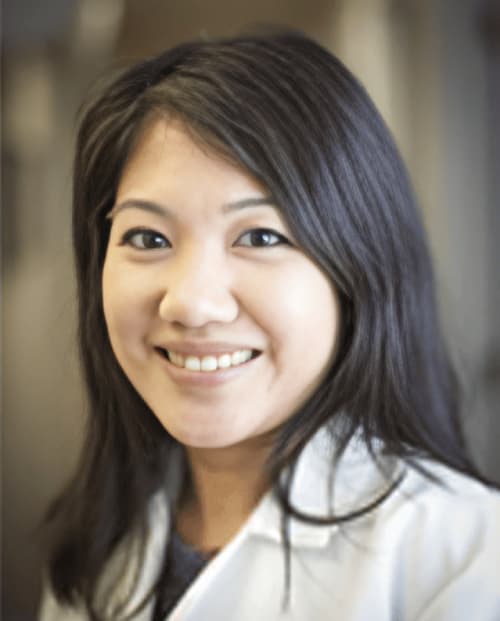
Dr. Evangeline Perez
Board-Certified Dermatologist
20+ years in practice
The robot is directed by someone you will actually meet.
Dr. Perez examines you at the consultation, confirms the diagnosis, designs your hairline for your face, and directs the procedure. She is also who you see at month three and month seven, when the result is still emerging and the questions actually start.
“Not all hair loss is pattern hair loss. The examination comes before anyone discusses surgery.”
- Examines and diagnoses before any procedure is scheduled
- Designs the hairline with you, for your face
- Directs your procedure
- Sees you through the full year of follow-up
It works best when there is still something to work with.
Restoration moves hair you already have — it does not create new hair. That makes donor density the deciding factor, and it is why the consultation exists. If you are not a good candidate, we would rather tell you than sell you.
- 01
Men with pattern hair loss
A receding hairline or thinning crown that has been moving the same direction for years. The consultation is where it gets measured properly and where you hear what a realistic result looks like.
- 02
Women losing density
Usually a widening part or overall thinning rather than a receding hairline — and more often dismissed than examined. Women's hair loss is evaluated here the way any dermatologic condition is: history, examination, diagnosis. Which treatment follows, if any, is decided individually.
- 03
A result from somewhere else that disappointed you
If you had a procedure elsewhere and it did not turn out as described, say so when you book. We will look at both the donor and recipient areas and give you a straight assessment of what can and cannot be improved.


AI-generated images. The people shown were generated using artificial intelligence, are not real people, and are not patients of this practice. These are not before-and-after images and do not represent treatment outcomes.
And sometimes the answer is: not yet
If your loss has not stabilized, operating early commits donor hair you will want later. Most hair restoration surgeons keep a minimum age for exactly this reason — in the 2025 ISHRS practice census, 73% reported one, averaging 22. If you are early, you will hear it.
Istanbul,
or 84th Street.
Hair transplant tourism is a large, established industry, and there are competent surgeons practicing abroad. That is genuinely not the argument. The argument is about two things a price quote does not tell you.

Who is actually holding the instrument
The International Society of Hair Restoration Surgery warns that at some clinics the surgery is performed by a technician not licensed to perform surgery, and tells patients to ask directly whether anyone unlicensed will be making incisions or harvesting grafts. Ask us that. Ask everyone you are considering. This is a business model, not a country — in the 2025 ISHRS census, 59% of member surgeons reported black-market clinics operating in their own cities, up from 51% in 2021.
ISHRS, “Buyer Beware: Medical Tourism for Hair Transplants” · ISHRS 2025 Practice Census
What happens once you are home
The American Society of Plastic Surgeons notes that surgery packages abroad provide limited follow-up care, if any, once the patient returns to the U.S., and that local doctors may not know what techniques were used in the original operation — which makes treating a problem difficult. It also notes there may be no recourse if something needs to be addressed.
ASPS Briefing Paper: Cosmetic Surgery Tourism
The package deal
- Often booked through an agency rather than the clinic
- You may not know who operates until the day
- Aftercare becomes a message thread once you land
- A complication means booking another flight
- Recourse across borders is slow and often unavailable
Bay Ridge Dermatology
- You meet your dermatologist at the free consultation
- Your case is planned and directed by Dr. Perez
- Follow-up happens in the same office, in person
- A complication is an appointment, not an airfare
- A New York licensed practice, accountable in New York
Your donor area does not regrow what is taken from it, and overharvesting it is the one mistake that narrows every option you have afterward. That is the reason to choose the surgeon carefully rather than the price — wherever you end up going.
One consultation, one visit, then time does the rest.
- 01
Free consultation
Your scalp and donor area are examined and the diagnosis confirmed. If you are a candidate you leave with a graft estimate and a price. If you are not, you leave with that answer instead. Nothing is charged and nothing is conditioned on booking.
No cost · No obligation
- 02
The procedure
One visit, under local anesthesia — you are awake and can read or watch something. The ARTAS iXi system assists the physician with identifying and harvesting follicular units, and Dr. Perez oversees the procedure from beginning to end. What a robot offers across a long case is that it works the same way at the last graft as at the first.
4–6 hours · ~2,000 grafts
- 03
The year after
Small scabs flake off within one to two weeks. Most people are back at a desk within a few days and to normal routines around two weeks. Transplanted hair then rests three to four months before growth starts — and you are seen in person through all of it.
Fuller growth 9–12 months
07 · Pricing
No mystery number, no pressure close.
Hair restoration is priced by how many grafts you need, so nobody can quote you exactly without looking at your scalp. What we can tell you is where it starts, and that you will have a firm number in writing before you agree to anything.
Introductory pricing · through September 30, 2026
Introductory pricing applies to procedures scheduled by September 30, 2026. Final price depends on the number of grafts required, determined at your consultation.
Your final price depends on the number of grafts you need, which is determined at the consultation. Post-operative medications and any additional treatments are billed separately.
Hair restoration is an elective cosmetic procedure and is not covered by insurance.
The consultation is free
What you get before you spend anything
- Scalp and donor-area examination
- Confirmation of the diagnosis before anything is scheduled
- A graft estimate and a firm price in writing
- An honest answer if you are not a candidate
The things people actually ask.
Will it leave a scar?
No linear scar — that is the one the older strip method leaves, and robotic FUE avoids it. FUE does leave small round marks where each follicular unit was taken from the donor area. They are not visible at most hair lengths but can show at very short clipper settings. Anyone telling you a hair transplant is scarless is not telling you the truth.
Why is it so much cheaper abroad?
Lower cost of living, high patient volume and exchange rates — those reasons are real and legitimate. What varies is who performs the surgery, how many patients are handled in a day, and what happens if you have a complication after flying home. That difference is what you are actually weighing.
Who actually performs the surgery?
Ask us that directly and ask it of every clinic you are considering: exactly who will be making incisions and harvesting grafts, and what license they hold. Dr. Perez oversees the entire procedure from beginning to end. ISHRS recommends every patient ask it. We would much rather you asked than assumed.
How long before I look different?
Longer than most advertising suggests. Scabs flake off in one to two weeks. The transplanted hair then rests for three to four months. Fuller growth generally shows around nine to twelve months. Individual results vary.
How long does the procedure take?
About four to six hours for roughly 2,000 grafts, depending on the coverage you need. Most cases fall between 1,500 and 2,500 grafts. It is one visit — you arrive in the morning and go home the same day. An office doing the same graft count by manual harvesting would commonly take ten hours or more.
Does it hurt, and how much time do I need off?
The scalp is fully numbed with local anesthesia. Most people describe mild tenderness for a couple of days, return to desk work within a few days, and are back to normal routines around two weeks. It is minimally invasive, but it is still surgery.
Am I too young for this?
Possibly — and that is a real answer, not a soft no. If your pattern has not stabilized, transplanting into it commits donor hair you will want later. Come in, get examined, and if the answer is “not yet”, you will hear it.
Is it permanent, and is it covered by insurance?
Follicles are taken from an area genetically resistant to pattern loss and keep that resistance after they are moved. They are not immune to ordinary aging, and untreated hair elsewhere can keep thinning. Insurance does not cover it — hair restoration is considered cosmetic.
09 · Want more information?
Not ready to book? Ask us anything first.
Send this and the office will call you — no appointment booked until you want one. If you would rather go straight to the calendar, use the booking button at the top of the page.